
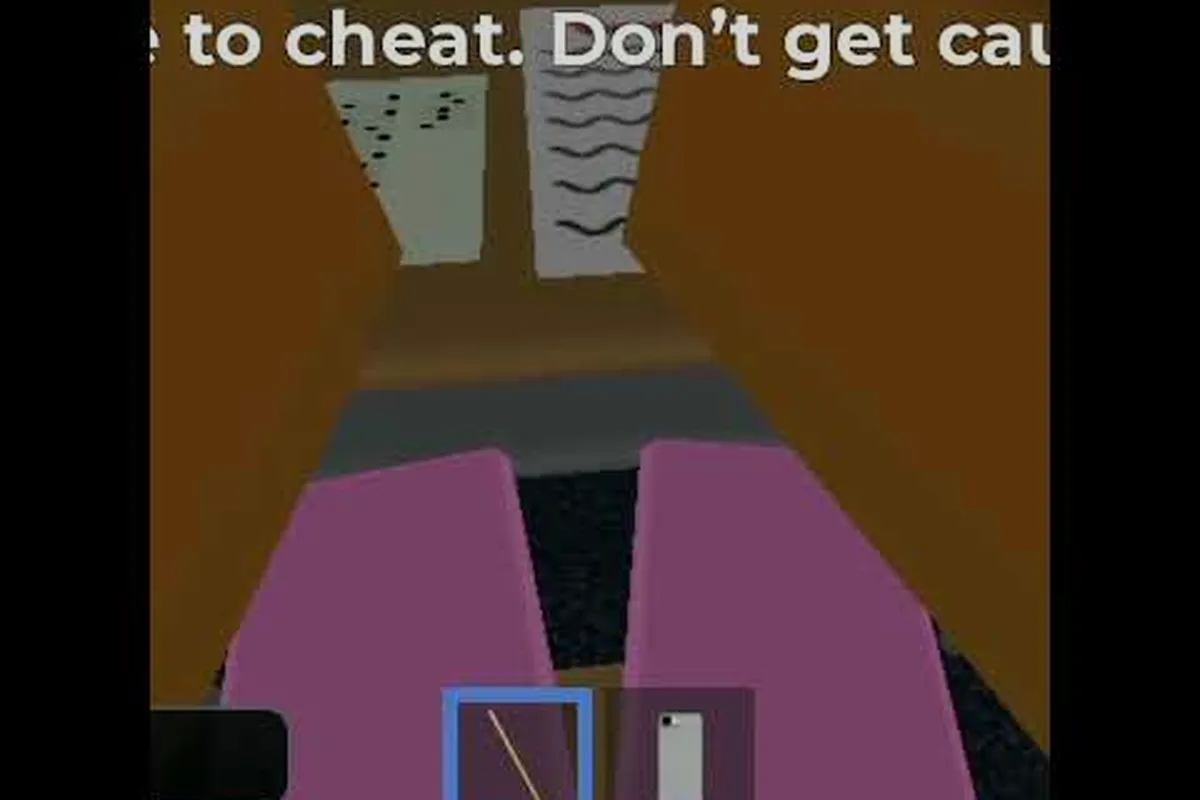
The cheating during testing full game loop looks deceptively simple on the surface — sit down, pull out a phone, copy answers, and survive the teacher — but every stage in the run has its own pressure points. Early tests reward careful observation, mid-game stages hinge on credit economy and tool upgrades, and late tests push the anxiety and hunger systems to the breaking point. According to the official Cheating During Testing Roblox page, the experience is a stealth-survival classroom sim where every failed exam is permanent for that run, so understanding the full arc is what separates a clean pass from a humiliating restart.
This guide walks the entire cheating during testing full game arc from your very first seat assignment all the way through the toughest late-game exams. You will get a breakdown of the core systems, a stage-by-stage path for progression, recommended gadgets to grind toward, and the snitch behaviors you need to read in order to keep your run alive. If you are brand new, the cheating during testing how long is a test mechanics guide is a useful companion for planning pacing on each phase.
Cheating During Testing Basic Mechanics You Need on Day One
Before chasing credits or hunting late-game gadgets, you need to internalize the cheating during testing basic mechanics that drive every encounter. The game runs on three live meters — Anxiety, Hunger, and a hidden Detection value that fills when the teacher or a snitch sees your phone — and every action you take trades off against one of them. Ignore any of them and your run ends in a forced fail state, even if the answers you are copying are technically correct.
The Three Live Meters
| Meter | What raises it | What lowers it | Failure threshold |
|---|---|---|---|
| Anxiety | Holding the phone too long, snitch stares, near-miss detection | Eating snacks, switching seats, brief phone stows | Full bar = instant fail |
| Hunger | Sitting through exam phases without eating | Buying food from the cafeteria before each test | Starved = cannot focus, copy answers incorrectly |
| Detection | Teacher turns around mid-cheat, snitch raise hand | Immediate phone stow + break line of sight | Full bar = teacher confrontation, run ends |
The Detection meter is the one most new players miss because it does not appear on screen until it is dangerously high. According to community testing reports, the teacher only escalates after a near-miss, which is why experienced players recommend stowing the phone the moment the teacher's shoulders begin to turn rather than waiting for a visual warning.
How the Exam Phases Tick
Each exam in the cheating during testing full game has a fixed phase structure, and learning the cadence is half the battle. Early exams run short (around 90 seconds per phase), but the late-game tests stretch past three minutes per phase with extra snitch patrols baked in.
| Phase | Duration (early) | Duration (late) | Your job |
|---|---|---|---|
| Settle-in | 10s | 20s | Pick a seat away from snitches, stow prep items |
| Open answers | 30s | 60s | Pull phone, copy first wave of questions |
| Mid-exam patrol | 30s | 90s | Stow on teacher turn, eat snack if anxiety rising |
| Final stretch | 20s | 45s | Clear remaining questions, stow before bell |
The full breakdown of how each exam phase shifts between early and late tests is covered in the cheating during testing how long is a test exam phases guide, which is worth bookmarking once you start hitting the longer mid-game tests.
Action Mapping: What Every Keybind Actually Does
-
Pull phone (E): Reveals answer sheet overlay. Costs Anxiety over time and is the main Detection trigger.
-
Stow phone (Q): Hides the phone instantly. This is your panic button — spam it if you hear the teacher's footsteps change.
-
Snack (1): Drops Anxiety by roughly 30% but raises Hunger, so you cannot spam it back-to-back.
-
Seat swap (F): Costs a small amount of time but is the cleanest way to break a snitch's line of sight.
-
Look around (RMB): Reads the room without committing to an action. Always do this at the start of every phase.
Cheating During Testing Early Game: Building a Safe Foundation
The cheating during testing early game phase is about survival, not optimization. The credits you earn in your first few runs are small, the gadgets available in the shop are weak, and the teachers patrol slowly enough that bad habits go unpunished — which is exactly why you should use this window to drill the right habits. Players who skip the foundation almost always hit a wall in the mid-game when the teacher speed and snitch count both jump.
Starter Toolkit: What to Buy First
The early-game shop is intentionally limited, but the few items it does sell are essential. According to community data, the optimal first three purchases look like this: priority 1 is the Scrap Wrench (restores 15 durability to your primary tool and unlocks the basic disassembly mini-game), priority 2 is the Calibration Chip (reduces failed-test penalty by 20% for the first five shifts), and priority 3 is the Lobby Pass (skips the mandatory tutorial cutscene, saving roughly 8 minutes per full-game run). Holding off on cosmetic crates or extra tokens keeps your early-shift budget aligned with the "cheating during testing basic mechanics" progression curve so you can reach the late-game QA wing without resource gaps.
| Priority | Item | Cost (credits) | Why it matters |
|---|---|---|---|
| 1 | Basic Phone | 50 | Replaces default phone with shorter pull animation |
| 2 | Granola Bar x3 | 30 | Cheapest Anxiety reset for early-game exams |
| 3 | Backpack | 75 | Adds one extra snack slot, lets you prep for longer tests |
The order matters: a faster phone animation saves more runs than any snack stack, because the Detection meter fills based on time-exposed, not on the act of cheating. Players report that the first major fail spike happens around exam 4, when a slightly faster pull-stow cycle is the difference between a clean pass and a teacher confrontation.
Seating and Snitch Avoidance in Early Tests
Early exams feature only one snitch per classroom, and they tend to sit in the front-left or back-right corner. According to community testing, the safest seats in early-game tests are second-row middle and back-row center, because they keep the most distance from the default snitch spawn and put the teacher's patrol path on your peripheral vision. The cheating during testing distracting snitches guide goes deeper into the vision-cone math, but for now the rule is simple: avoid any seat directly in front of or behind a snitch, and never sit at the ends of rows where the teacher pauses longest.
Anxiety Management on a Budget
Early-game credits are tight, so resist the urge to spend them on cosmetic seats or fancy snacks. A clean run on the default equipment is worth more than a flashy one on items you do not understand. The pattern that works for most first-time players is: pull phone, copy one answer cluster, stow, eat a snack if Anxiety is past the halfway mark, then repeat. That rhythm keeps both Anxiety and Detection in the safe zone and gives you a template to carry into the harder mid-game tests.
Cheating During Testing Mid-Game: Credits, Upgrades, and Pressure
The mid-game is where the cheating during testing full game loop really opens up. Tests run longer, the teacher rotates faster, snitches patrol in pairs, and the credit rewards per exam roughly double — which means the decisions you make here decide whether you coast into the late game or stall out grinding the same exam over and over. Treat the mid-game as a credit economy puzzle, not a survival challenge.
Credit Income by Exam Tier
| Exam tier | Approx. credits per clean pass | Approx. credits per fail retry | Notes |
|---|---|---|---|
| Tier 1 (early) | 40–60 | 0 (forced restart) | First exam is free to learn |
| Tier 2 | 80–120 | 20 | Snitch pairs introduced |
| Tier 3 | 150–200 | 40 | Teacher speed +20% |
| Tier 4 | 250–320 | 60 | First elite snitch spawns |
The jump between Tier 2 and Tier 3 is where most players lose momentum, because the teacher speed increase makes a stow that used to be safe into a near-miss. According to player reports on community threads, grinding Tier 2 until you can consistently clear it with full health is faster than rushing into Tier 3 and burning retries.
Mid-Game Gadget Priority
Once your credit balance is stable, the gadget shop starts offering real upgrades. The cheating during testing max level phone gadgets guide covers the full late-game tree, but for mid-game the priority list is:
-
Smart Watch: Cuts the phone-pull animation by roughly 40%, which is the single biggest Detection reduction you can buy in the mid-game.
-
Reading Glasses: Adds a small answer-reveal bonus so you need less time on the phone per question.
-
Energy Drink: A reusable Anxiety reset that does not raise Hunger the way snacks do.
Avoid the Premium Phone until late-game because the credit cost is steep and the marginal gain over the Smart Watch is small for the exam lengths you face in the mid-game. For typical 10–15 question mid-game tests, the Smart Watch's shorter retry cooldown actually yields a higher average score per 100 credits spent, since the Premium Phone's extra answer reveal rarely activates more than once or twice per exam. Bank your credits through the mid-game instead and reserve the Premium Phone's full-power unlock for final-semester testing, where its expanded cheat window and reduced suspicion spike can decisively swing a hard-mode proctored exam in your favor.
Snitch Pair Tactics
Mid-game classrooms feature two snitches, and they tend to patrol on offset timers so one is always looking while the other is looking away. The reliable counter is to pull the phone only during the overlap window when both are facing away from your seat, which usually lasts 3–5 seconds. New players often try to brute-force the cycle, but the smarter play is to map the patrol pattern for the first 15 seconds of each exam and then commit only during confirmed safe windows.
Cheating During Testing Late Game: The Clean Final Run
The cheating during testing late game phase is where every shortcut you took earlier comes due. Tests run past three minutes per phase, the teacher rotates on a tight cadence, snitches spawn in threes, and the Anxiety curve is tuned so even a single missed stow can cascade into a forced fail. Late-game runs are won or lost in the prep screen, not the exam itself, so the players who consistently clear the final tests are the ones who walk in with full snack stacks, the best phone, and a seating plan already mapped.
Late-Game Shop Loadout
| Slot | Best-in-slot | Alternative | Reason |
|---|---|---|---|
| Phone | Max-level Phone | Smart Watch + Reading Glasses combo | Shortest pull animation, lowest Detection gain |
| Snack stack | Energy Drink x2 + Granola x2 | Any mix that keeps Hunger under 50% | Anxiety resets without starving |
| Seat | Middle row, off-center | Back row center if snitch density is high | Maximum peripheral vision on teacher |
| Special item | Cheat Sheet | Lucky Pencil | Reveals one full answer block per exam for free |
The Cheat Sheet is the single most efficient late-game purchase because it removes one full phase of phone exposure, which is usually the highest-Detection window in the exam. According to player reports, a Cheat Sheet plus a Max-level Phone clears almost any late-game exam in 2–3 pull-stow cycles.
Anxiety Curve in the Late Tests
Late-game tests have an Anxiety decay nerf: the meter no longer passively drops when you are not on the phone. This means every second spent not stowing counts against you, and the only reliable reset is the Energy Drink. The pattern that works for most players in the late game is to chain pull-stow cycles in tight bursts, snack only at the natural phase breaks, and never hold the phone through a teacher rotation even if it means missing a question. A missed question costs you grade points; a full Detection bar costs you the run.
Snitch Density and How to Read Triples
The hardest late-game rooms feature three snitches, often including one elite snitch with a wider vision cone. According to community testing, the elite snitch glows faintly and patrols slower than the standard snitches, which means it is the predictable one — you can time your pulls around its rotation. The two standard snitches are the real threat because their offset timers leave only narrow safe windows. The cheating during testing distracting snitches mechanics update page breaks down the vision-cone math for elite variants, which is worth reading before you commit credits to the late-game gadget tree.
Grade Targets on the Final Exams
Late-game tests reward not just survival but grade performance. The cheating during testing perfect score grades guide covers the full multiplier system, but the practical takeaway is that an A-grade run on a late exam pays roughly 2x the credits of a C-grade pass, which compounds across the final stretch. If you are chasing the cleanest possible run, prioritize answer accuracy over speed in the final phase — a single wrong answer can drop you from an A to a B and cost you a meaningful credit bump.
Putting the Full Run Together
The cheating during testing full game arc is a marathon, not a sprint, and the cleanest runs come from players who respect the stage progression. Early game is for drilling the pull-stow-snack rhythm and learning the seating math. Mid-game is for grinding credits, unlocking the Smart Watch and Reading Glasses, and mapping snitch pair patterns. Late game is for executing the prep screen, chaining tight pull-stow cycles, and reading elite snitch rotations in real time. Each stage feeds the next, and skipping a foundation step always shows up as a forced restart two tiers later.
A few cross-cutting habits that hold up across the entire arc: keep a single test harness or save slot for full-run QA so basic mechanics flags, early game teleports, and late game exploit attempts all land in the same log, and treat any new cheat vector you discover in the full game as a candidate to retroactively check against the basic mechanics and early game modules where it likely also fires.
-
Always stow on the shoulder turn, not the visual warning. The Detection meter fills before the on-screen cue, and the half-second head start is what saves a run.
-
Snack on phase breaks only. Eating mid-phase raises Hunger at the worst possible moment and rarely buys enough Anxiety relief to be worth it.
-
Buy gadgets in the priority order, not the order you want them. The Smart Watch and Cheat Sheet outperform almost every cosmetic upgrade in the shop.
-
Map the room before the first pull. The first 10 seconds of every exam should be look-around only — it costs you a little time and saves you from walking into a snitch patrol.
-
Track the Anxiety curve, not just the Detection bar. Most late-game fails are Anxiety deaths that look like Detection deaths because the meter spikes at the same time.
If you stick to that rhythm, the cheating during testing full game progression feels less like a series of near-misses and more like a clean pipeline — earn credits, buy the right gadget, clear the next tier, repeat. The developers at ebenxzy are still tuning numbers in active updates, so specific values may shift slightly with future patches, but the core stage structure of early basics, mid-game credits, and late-test tricks has held steady since the beta launched.
Navigating complex snitch patrols, timing phone lookups during teacher turning animations, and rationing calming snacks allows players to conquer the full game progression with minimal failure restarts. To fine-tune your early-game foundations and equipment purchases, review our beginner guide before tackling the toughest exam rooms.
Frequently Asked Questions
How long is a full run of cheating during testing?
A complete cheating during testing full game run from the first exam to the final late-game test typically takes 45–70 minutes if you clear every test on the first attempt. Retry-heavy runs can stretch past two hours because every failed exam forces a restart of the entire arc. The exam phases themselves are short, but the prep screen and seating decisions between tests add up.
What is the best gadget to buy first in the early game?
The Basic Phone is the strongest first purchase because it shortens the pull animation, which directly reduces Detection gain on every cheat attempt. Snacks and backpacks are useful, but a faster pull-stow cycle saves more runs than any consumable stack. Save the Smart Watch for mid-game when credits are easier to farm.
How do I deal with snitch pairs in the mid-game?
Map both snitch rotations during the first 15 seconds of the exam, then commit your phone pulls only during the overlap window when both are facing away. The overlap is usually 3–5 seconds long, so plan to copy one answer cluster per window rather than trying to chain pulls. The cheating during testing distracting snitches guide covers the vision-cone math in detail.
What is the difference between early game and late game in cheating during testing?
The cheating during testing early game features short exams, one snitch per room, and a slow teacher rotation, while the cheating during testing late game features three-minute phases, triple snitch patrols including one elite variant, and a passive Anxiety decay nerf. Credit rewards per exam also scale roughly 5x from the first test to the final test, which is what funds the late-game gadget tree.
Can I respec my gadget loadout between exams?
Yes, the prep screen between every exam lets you swap phones, snacks, and special items freely with no credit cost. There is no permanent gadget lock-in, so you can switch from a Cheat Sheet build to a Smart Watch build depending on the snitch density of the next test. Most players settle into two or three loadout templates and rotate between them based on the exam tier.